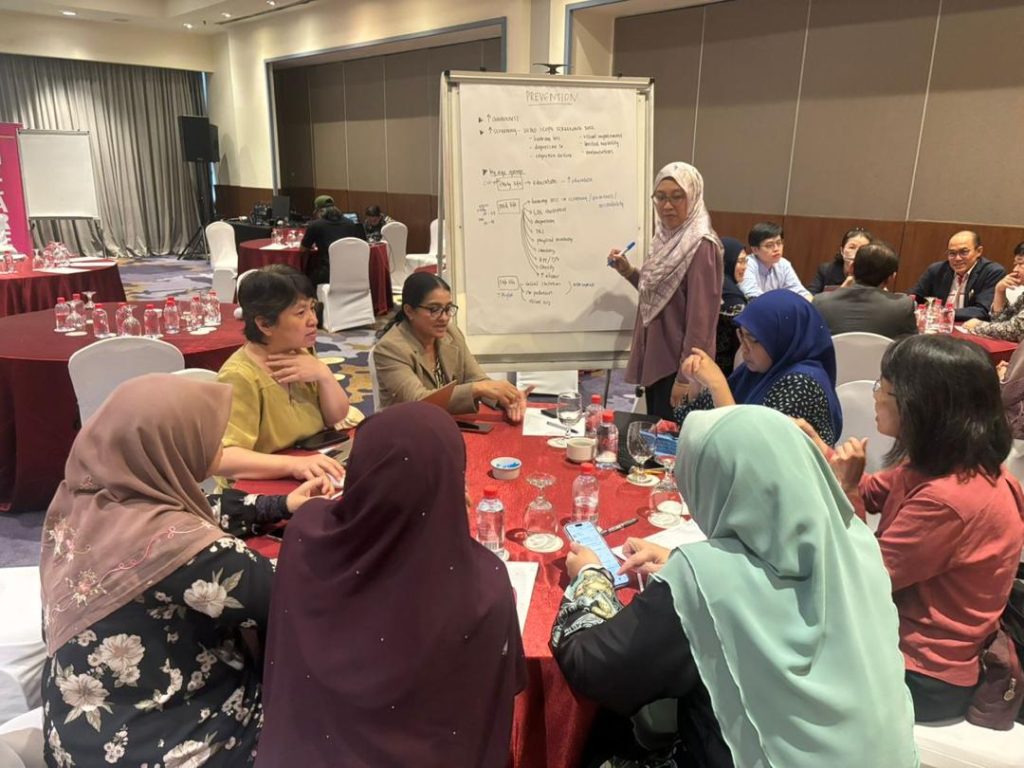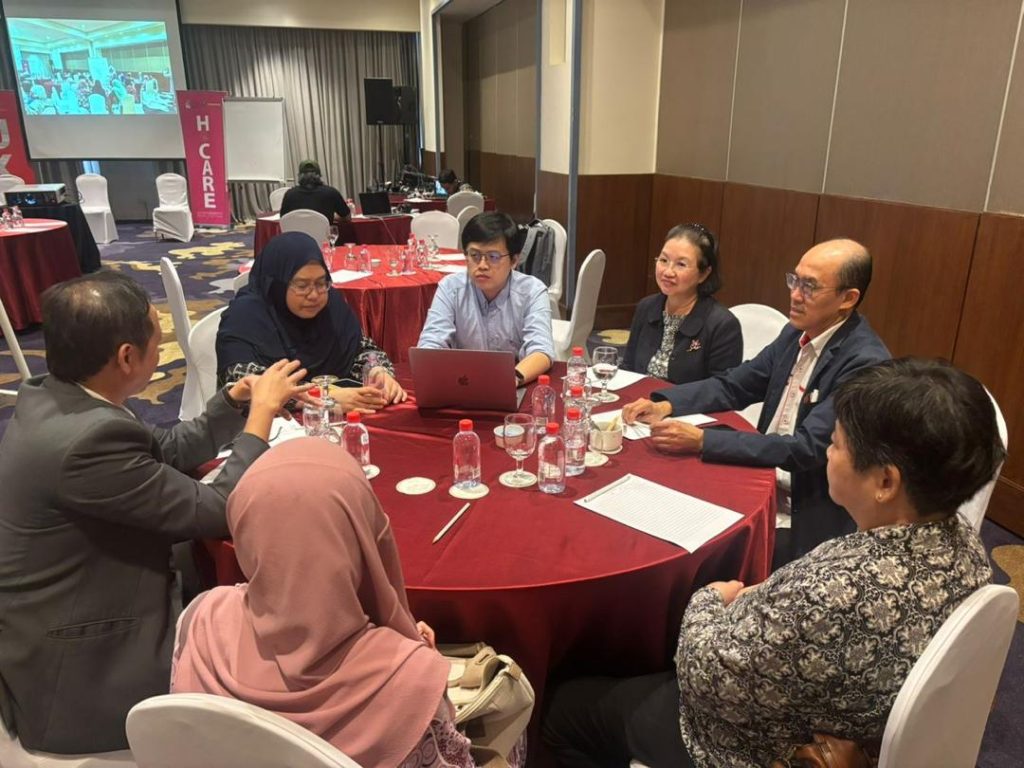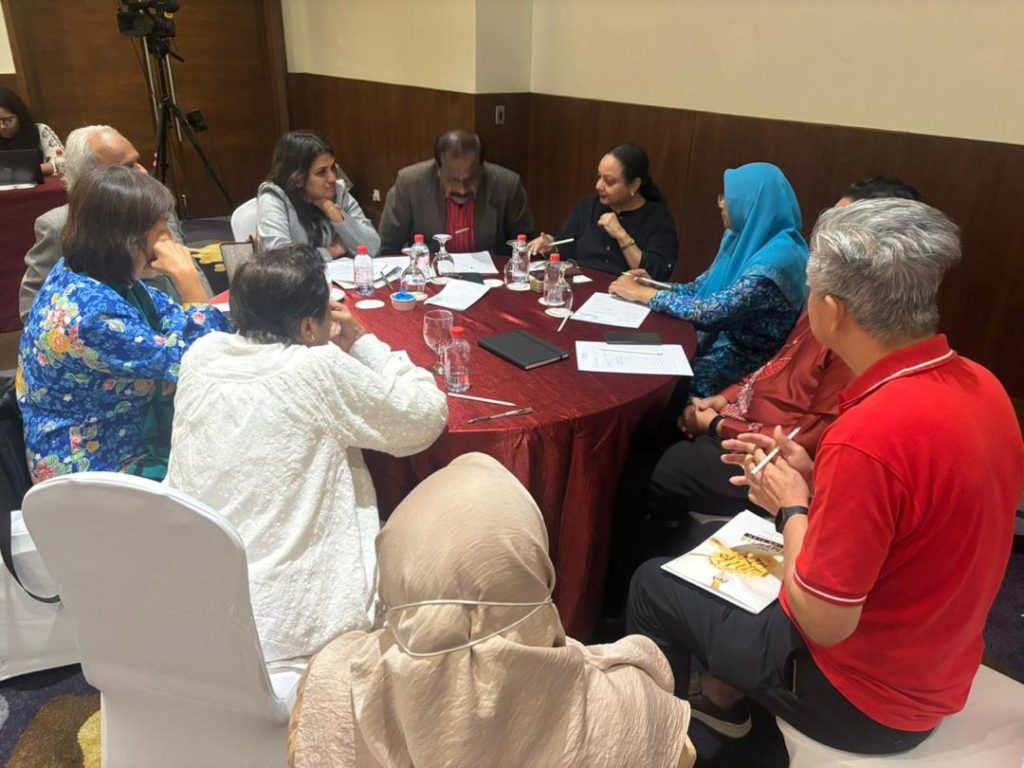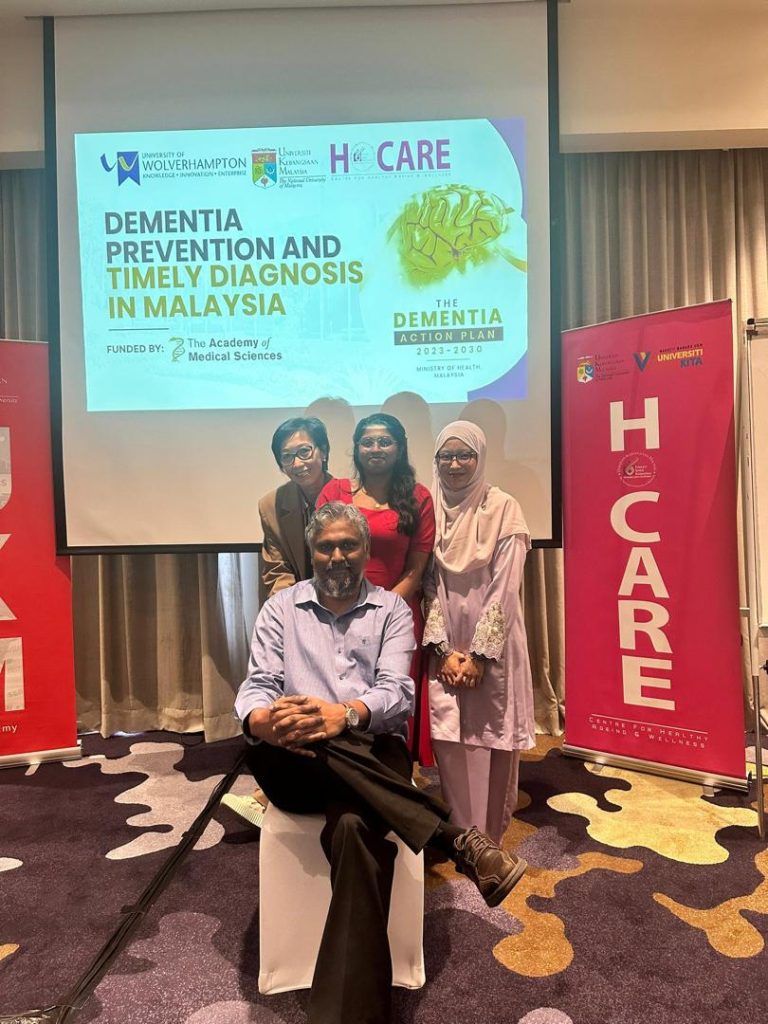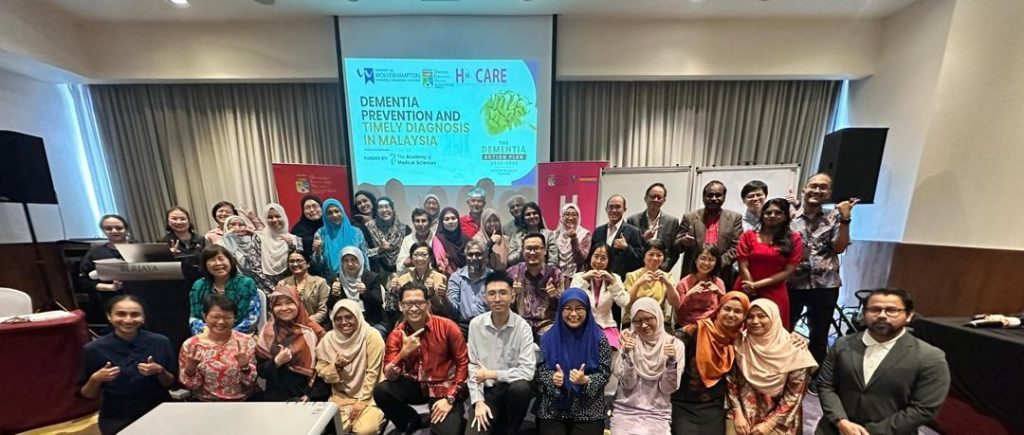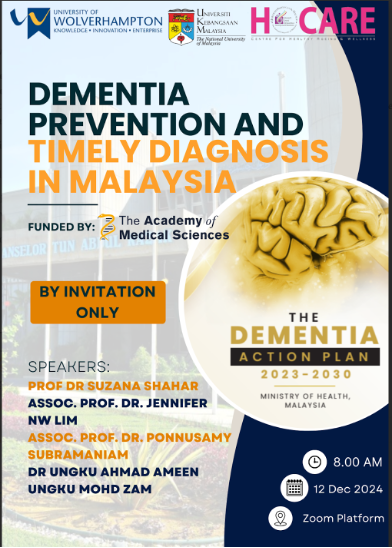
The PAVE-Network was officially set up through a hybrid seminar in Kuala Lumpur on 12th December 2024.
The Dementia Prevention and Timely Diagnosis in Malaysia Workshop, held in December 2024, brought together researchers, clinicians, policymakers, and caregivers to address the growing challenge of dementia in Malaysia’s ageing population. The full-day seminar featured expert presentations on interdisciplinary research networks, screening and diagnostic pathways, national dementia action plans, prevention strategies, and multidomain interventions for cognitive frailty, alongside a powerful caregiver perspective highlighting lived experiences from early symptoms to diagnosis.
Participants engaged in interactive Q&A sessions throughout the seminar and took part in afternoon breakout discussion forums both in-person and online, to exchange insights on dementia prevention, timely diagnosis, and care and support for people with dementia and their caregivers. Through collaborative dialogue and evidence-based discussions, the seminar underscored the urgent need for integrated approaches, strengthened infrastructure, and community engagement to advance dementia prevention and improve early diagnosis and care in Malaysia.
The wokrshop was attended by 45 physical participants and 72 online participants, comprising senior academics, clinicians, policymakers, and representatives from civil society organisations involved in ageing and dementia care. Physical participants included professors, associate professors, and researchers from leading institutions such as Universiti Kebangsaan Malaysia, University of Malaya, Universiti Putra Malaysia, Universiti Tunku Abdul Rahman, Monash University Malaysia, alongside clinicians from major public and private hospitals and primary care settings across Malaysia.
The seminar also welcomed key representatives from the Ministry of Health Malaysia, state health departments, Alzheimer’s and older persons’ advocacy groups, dementia day care centres, and professional societies focused on healthy ageing. This diverse participation fostered rich interdisciplinary exchange and strengthened collaboration between academia, healthcare services, policymakers, and community-based organisations working to advance dementia prevention, timely diagnosis, and care in Malaysia.
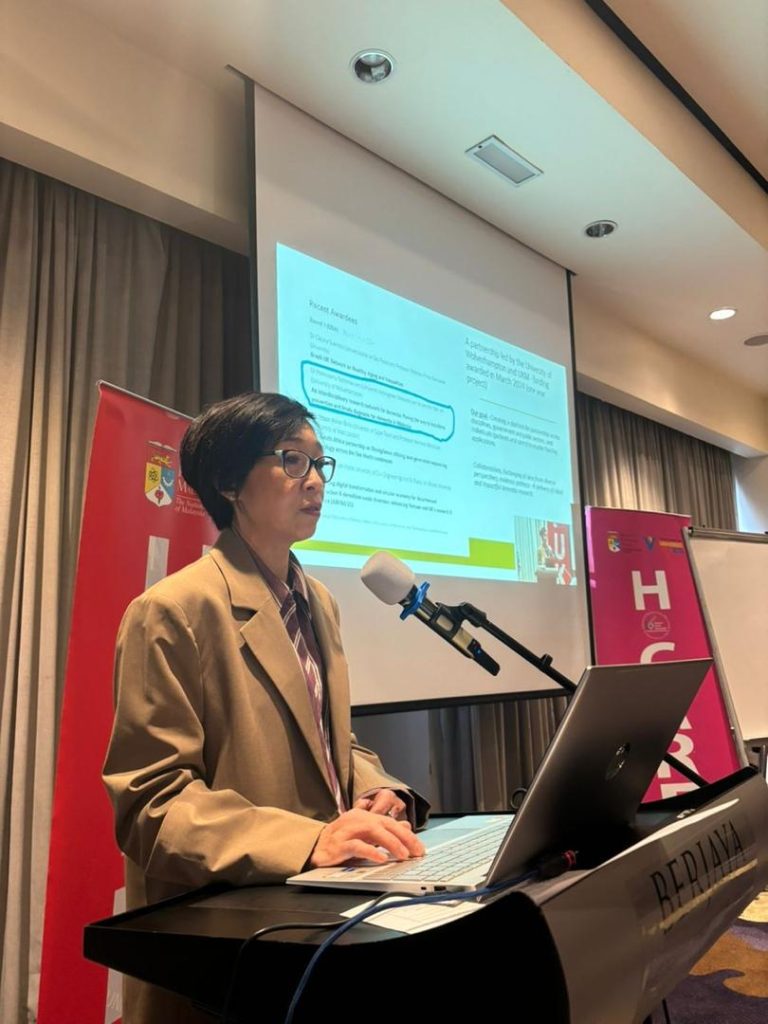
Speaker 1:
Building an Interdisciplinary Dementia Research Network in Malaysia
Associate Professor Dr Jennifer Lim (University of Wolverhampton, United Kingdom)
The speaker shared her work in developing a UK–Malaysia interdisciplinary network to strengthen dementia prevention and early diagnosis. Her research focuses on improving access to care, particularly among underserved communities. Funded by the Academy of Medical Sciences, the project brings together researchers, clinicians, and stakeholders. Key activities include a hybrid seminar, a qualitative study in Sabah and Selangor, and a stakeholder workshop planned for May 2025. The long-term goal is to develop a national research agenda and secure a large-scale grant.
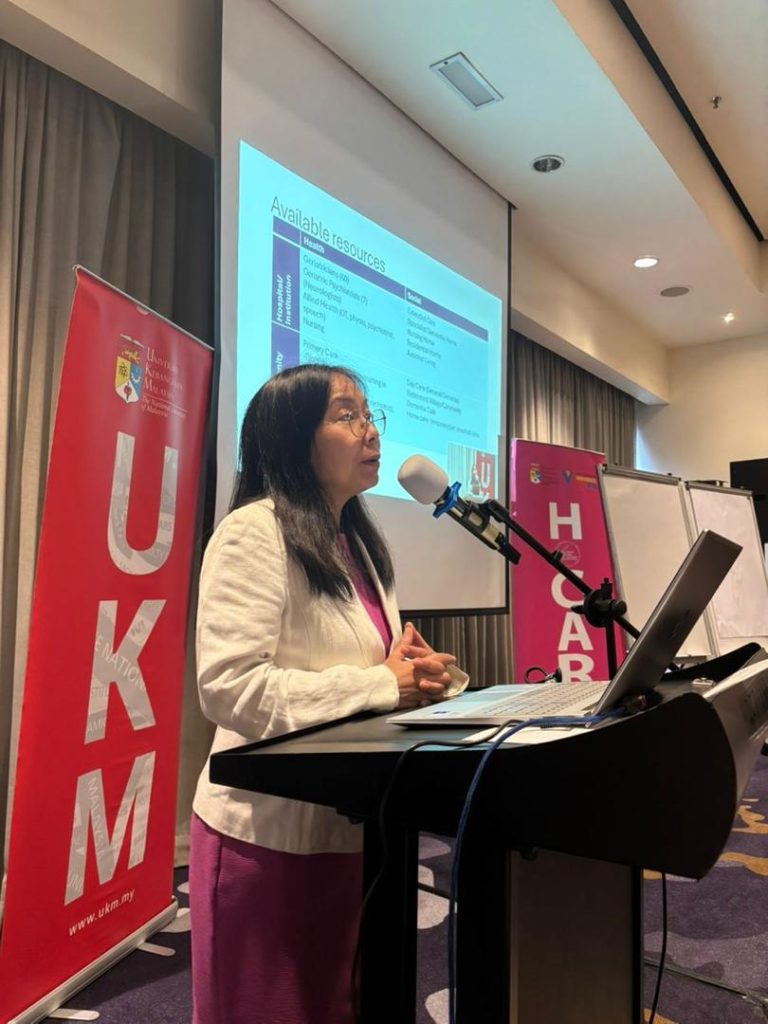
Speaker 2:
Screening and Diagnosing Dementia in Malaysia
Professor Dr Tan Maw Pin (Universiti Malaya, Malaysia)
The speaker highlighted that dementia services in Malaysia are fragmented, resulting in long waiting times and limited access to specialists. Most assessments are hospital-based, with fewer than 10 memory clinics nationwide. Efforts to shift screening into primary care are ongoing but limited by workforce constraints. Challenges include poor coordination, limited awareness, and gaps in care, although validated tools and biomarkers are available.
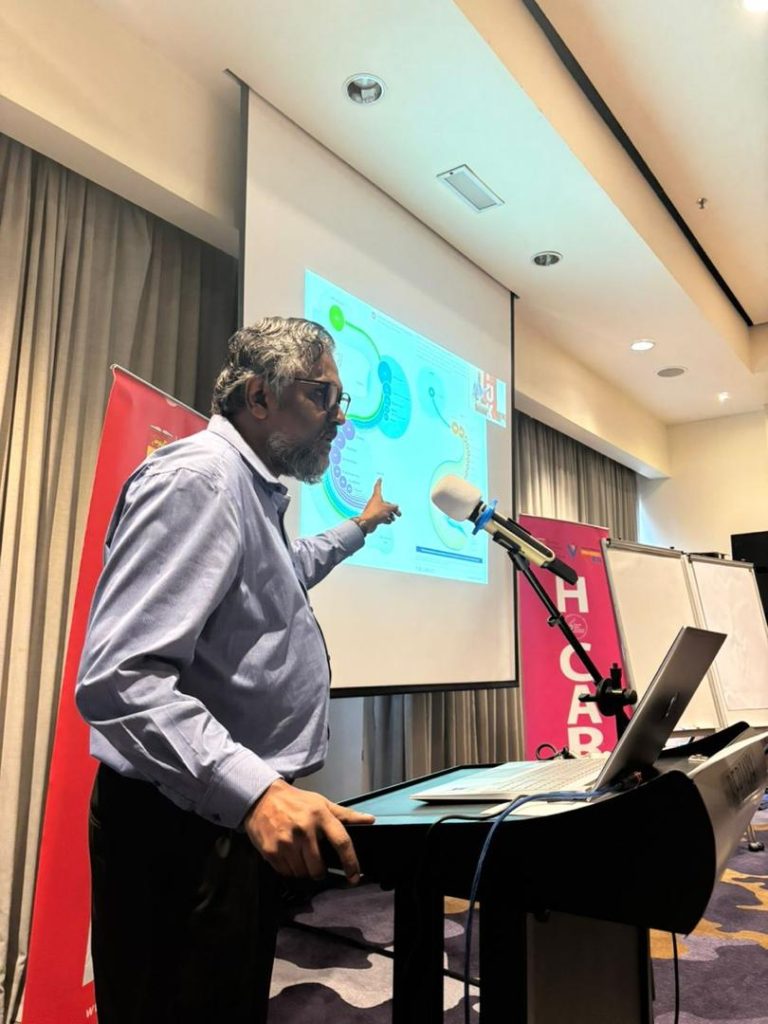
Speaker 3:
Dementia Prevention in Malaysia
Associate Professor Dr Ponnusamy Subramaniam (Universiti Kebangsaan Malaysia, Malaysia)
The speaker noted that approximately 300,000 Malaysians live with dementia, with up to 45% of cases potentially preventable. Prevention focuses on multidomain lifestyle interventions, including physical activity, cognitive training, nutrition, social engagement, and vascular health. This approach is supported by global evidence and implemented locally through initiatives such as the AGELESS Trial.
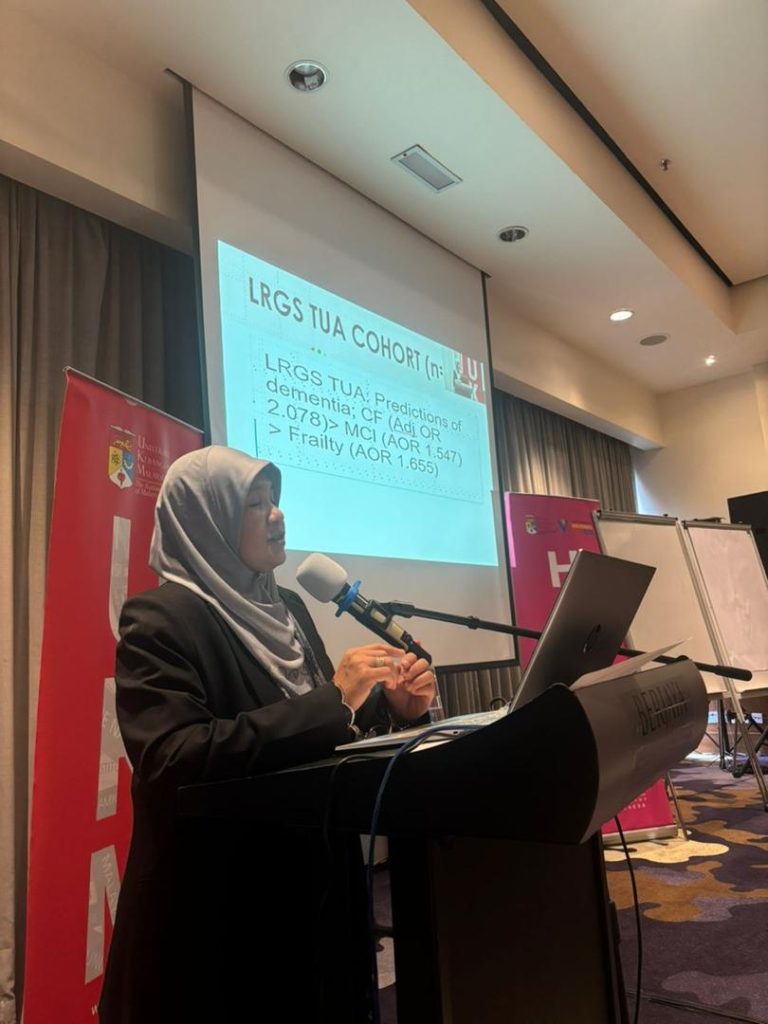
Speaker 4:
Multidomain Intervention for Cognitive Frailty – The AGELESS Trial
Professor Dr Suzana Shahar (Universiti Kebangsaan Malaysia, Malaysia)
The speaker introduced the AGELESS Trial, targeting cognitive frailty through exercise, nutrition, cognitive training, vascular monitoring, and social engagement. Participants showed improvements in health and cognition. A telehealth version has demonstrated strong engagement, and the programme is being expanded into community settings.
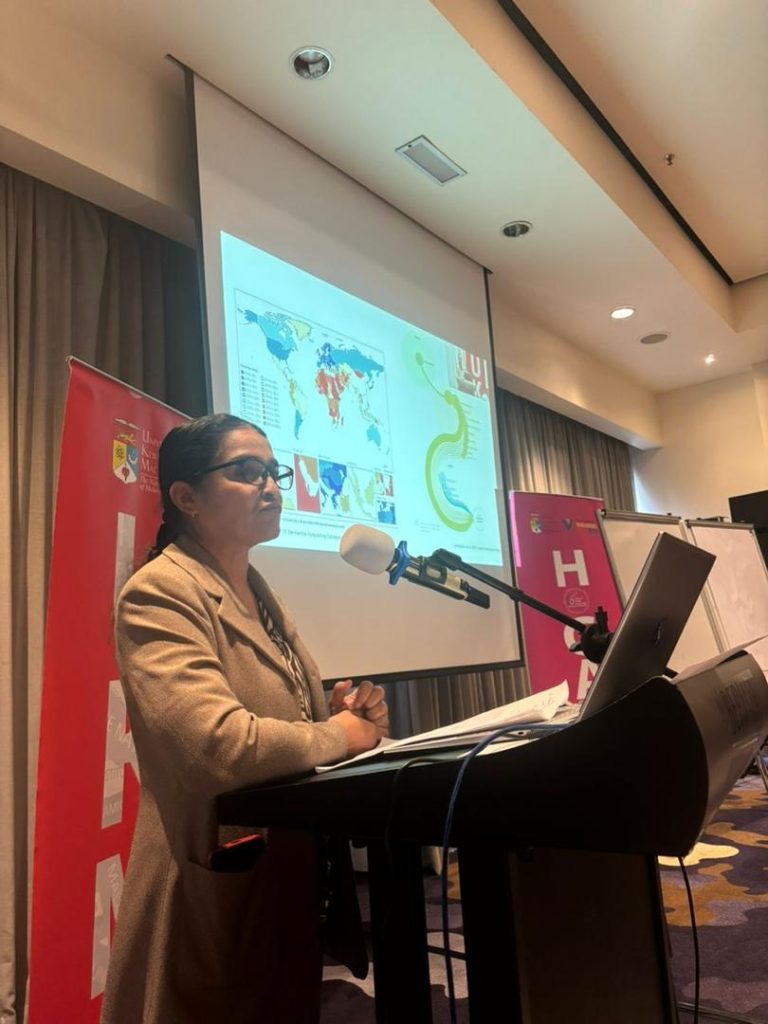
Speaker 5:
Barriers and Facilitators to Dementia Prevention in Malaysia
Professor Dr Devinder Kaur Ajit Singh (Universiti Kebangsaan Malaysia, Malaysia)
The speaker discussed barriers such as limited services, workforce gaps, lack of data, stigma, and low awareness. Facilitators include family support, accessible programmes, and increased health awareness. Financial, logistical, and caregiving challenges remain, and both digital and non-digital approaches are important.
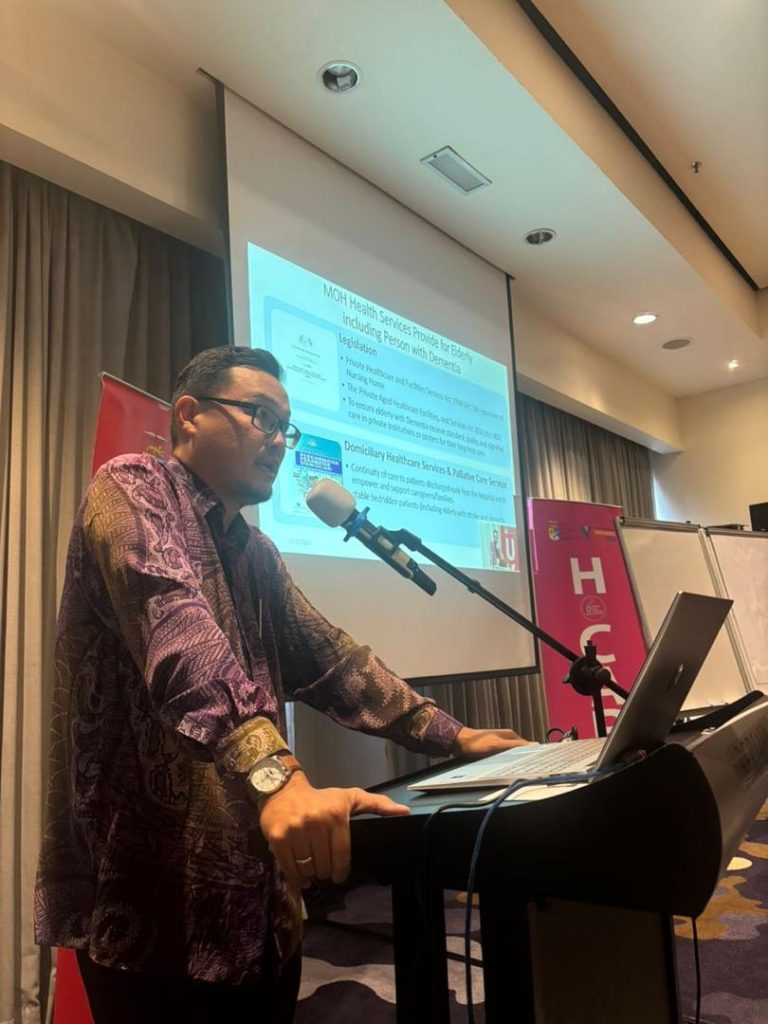
Speaker 6:
Malaysia’s National Dementia Action Plan
Dr Ungku Ahmad Ameen (Hospital Tengku Ampuan Rahimah, Malaysia)
The speaker outlined Malaysia’s National Dementia Action Plan, aligned with the WHO Global Action Plan. It focuses on strengthening awareness, healthcare and social systems, research, and monitoring. While progress has been made, gaps in coordination remain, highlighting the need for integrated care pathways.
Speaker 7:
From Early Symptoms to Diagnosis – A Caregiver’s Perspective
Ms Tejinderpal Kaur (Caregiver)
The speaker shared her experience caring for her mother, whose early symptoms were mistaken for normal ageing, delaying diagnosis. A holistic approach focusing on nutrition, physical activity, social engagement, and sleep helped maintain quality of life, highlighting the importance of early recognition and family-centred care.