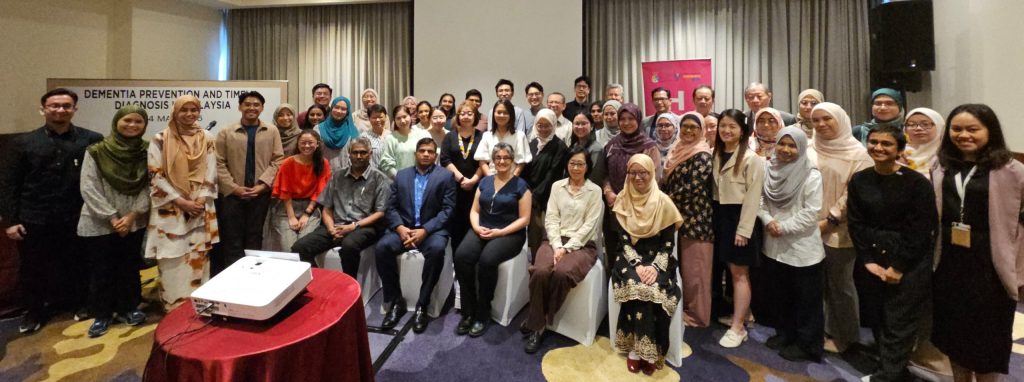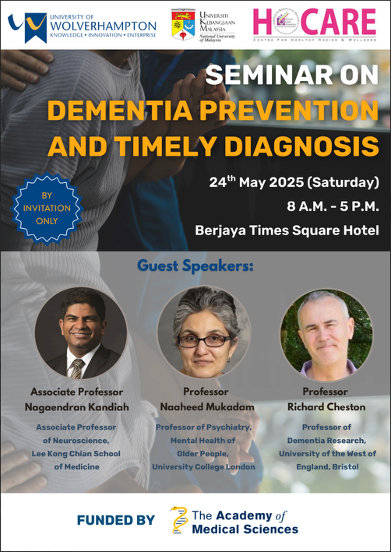
A hybrid workshop was conducted on 24th May 2025 in Kuala Lumpur.
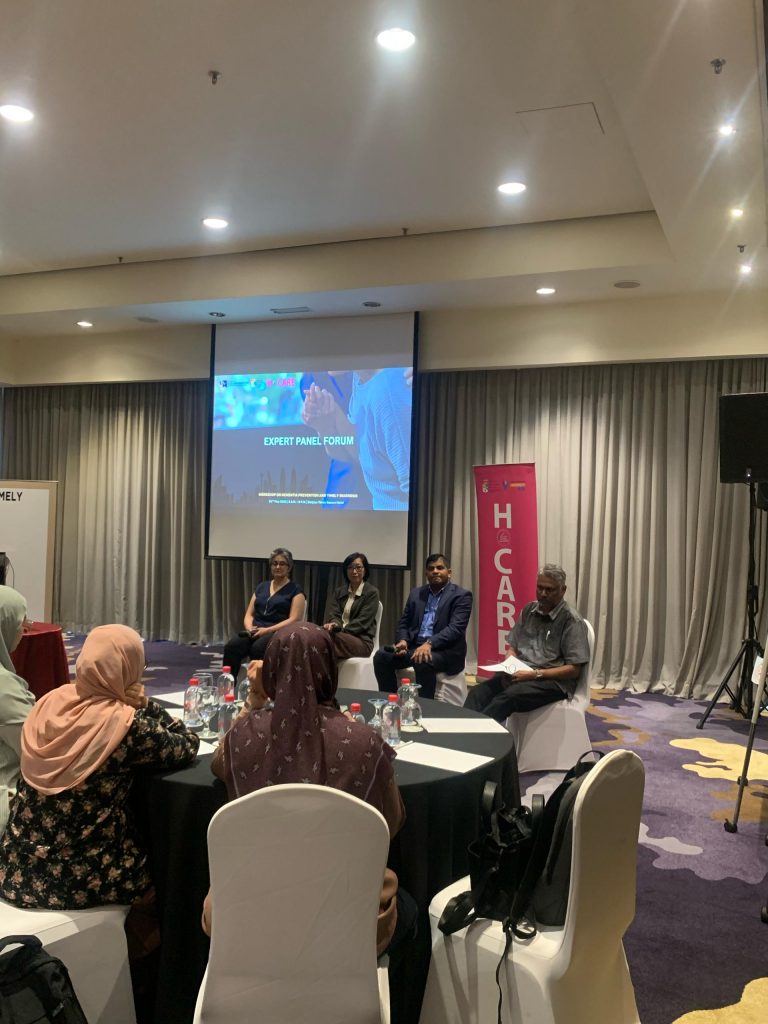
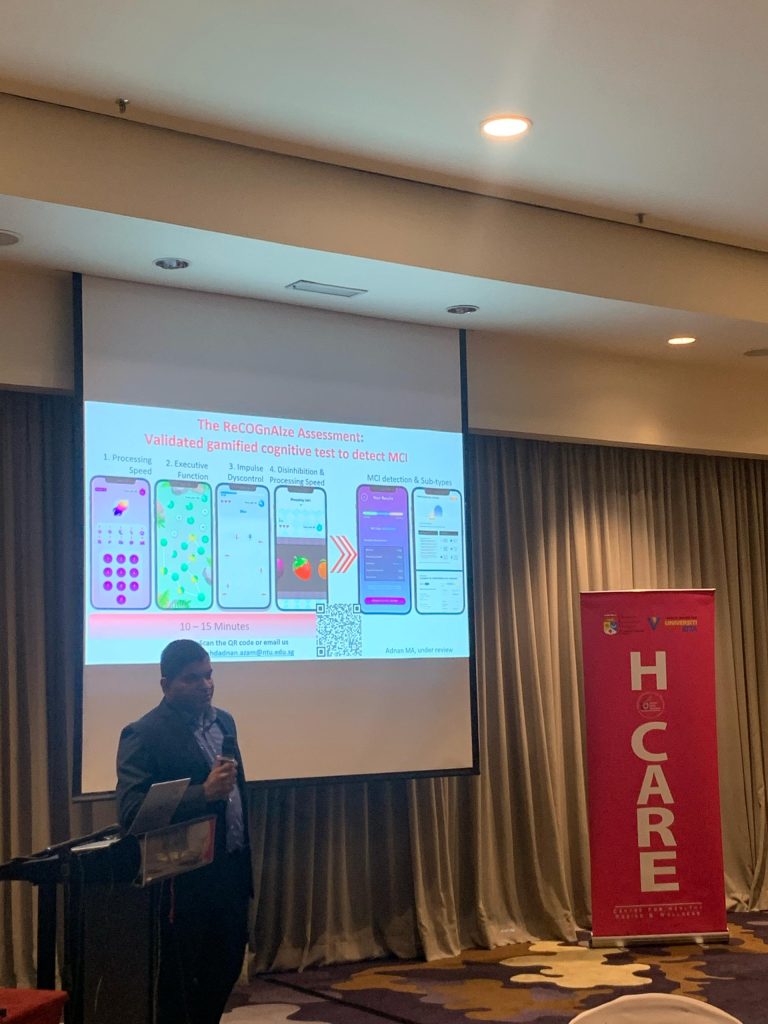
The Seminar on Dementia Prevention and Timely Diagnosis, held on 24 May 2025 at Berjaya Times Square Hotel, Kuala Lumpur, convened local and international experts to advance dialogue on dementia research, early detection, and care pathways. The seminar opened with an overview of findings from the December 2024 workshop, followed by keynote addresses covering global dementia prevention efforts, diagnostic algorithms for cognitive impairment and dementia assessment within primary care services. Distinguished speakers from leading institutions, including University of Wolverhamptom, University College London, Nanyang Technological University, and University of West England, shared evidence-based insights and practical models relevant to both global and local contexts. Afternoon sessions featured an expert panel forum and a focused discussion forum involving policymakers, researchers, and clinicians, which explored research priorities and the feasibility of primary care–led dementia screening and community self-screening in Malaysia. Through interdisciplinary exchange and collaborative discussion, the seminar reinforced the importance of integrated, system-level approaches to strengthen dementia prevention and promote timely diagnosis in Malaysia.
The seminar brought together a total of 115 participants, comprising 55 physical participants and 60 online participants, representing a multidisciplinary mix of senior academics, clinicians, policymakers, allied health professionals, researchers, and community stakeholders involved in ageing and dementia care. Physical participants came from leading universities such as Universiti Kebangsaan Malaysia, Universiti Malaya, Universiti Putra Malaysia, Monash University Malaysia, Sunway University, and SEGi University, as well as major public and private healthcare institutions, the Ministry of Health, dementia care centres, and civil society organisations. The online platform further expanded participation to attendees from healthcare facilities, universities, rehabilitation centres, and dementia advocacy groups across Malaysia and Brunei, including professionals in psychiatry, geriatrics, neurology, psychology, nursing, pharmacy, physiotherapy, occupational and speech therapy, alongside postgraduate students and trainees. This diverse participation fostered meaningful interdisciplinary exchange and strengthened cross-sectoral and regional collaboration in advancing dementia prevention, timely diagnosis, and care.
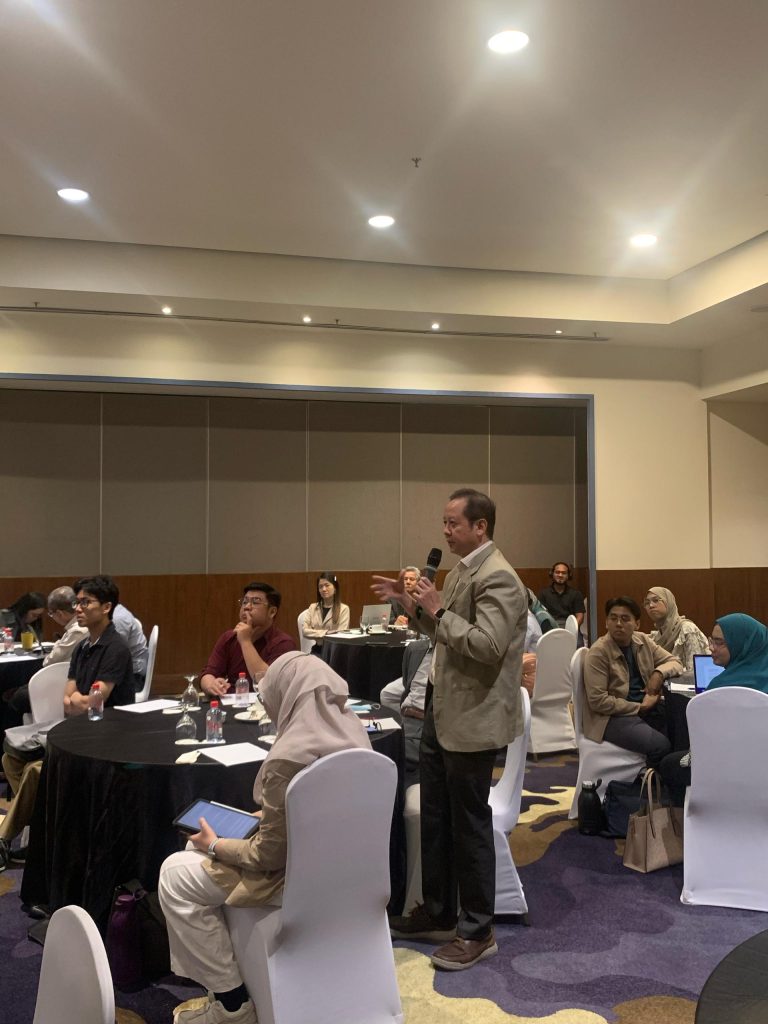
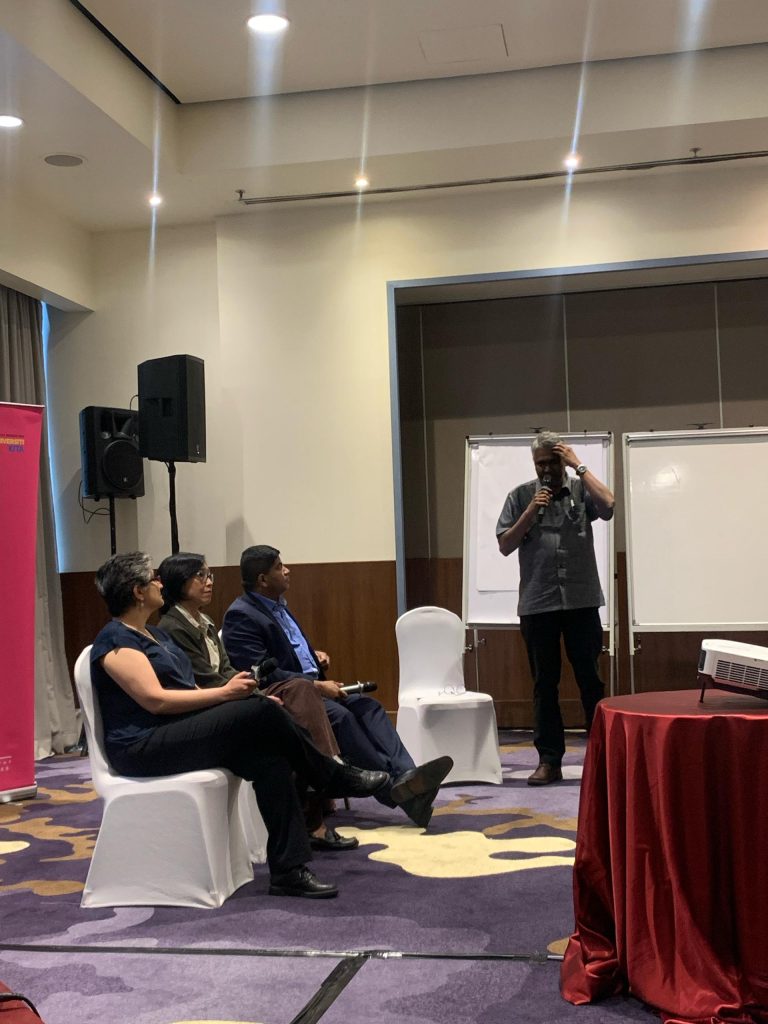
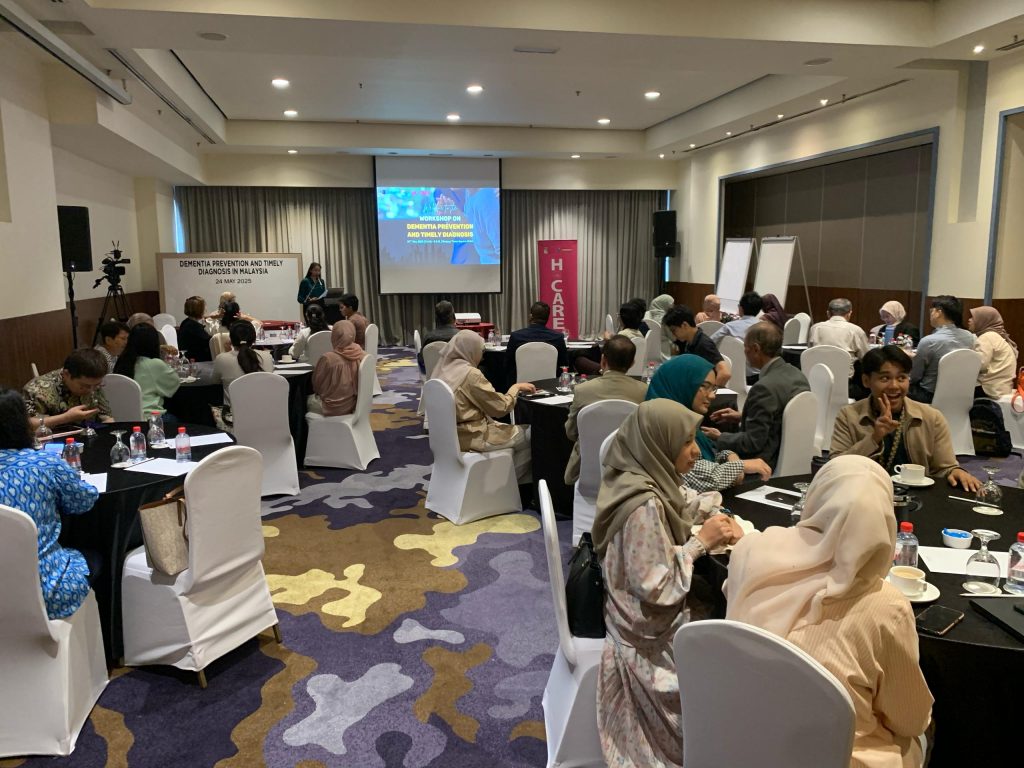
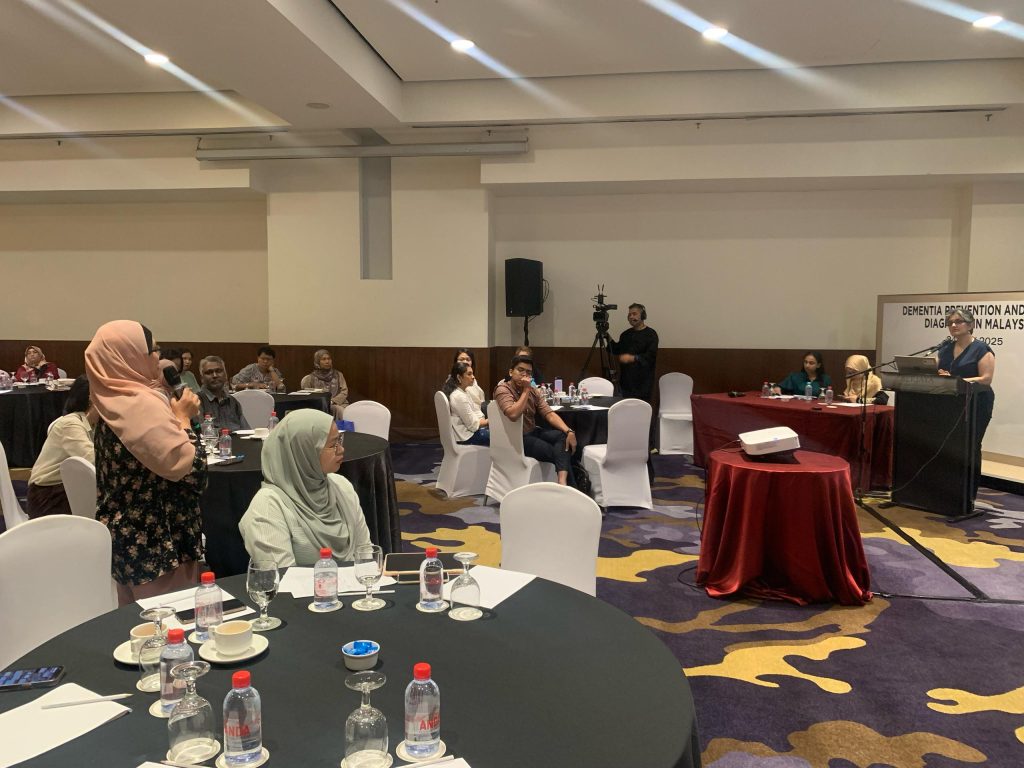
IMPROVING DEMENTIA DIAGNOSIS AND SUPPORT
At the end of the seminar, participants took part in a facilitated workshop to discuss challenges affecting timely dementia diagnosis and care in Malaysia. Drawing on their professional expertise and community experiences, participants identified key gaps in awareness, healthcare systems, and support services. The discussion highlighted several priority areas for strengthening early recognition, improving care pathways, and supporting people living with dementia and their families.
Key Priorities Identified
1. Awareness and Education
- Increase public awareness of dementia through national campaigns.
- Improve understanding of dementia to reduce stigma and encourage earlier help-seeking.
- Provide training for healthcare professionals and incorporate education on brain health across the life course.
2. Accessible and Inclusive Diagnostic Tools
- Develop culturally and linguistically appropriate dementia screening tools.
- Ensure diagnostic approaches reflect Malaysia’s diverse communities.
- Expand community-based and online resources to support families and caregivers.
3. Strengthening Healthcare Systems
- Establish clear and standardised referral pathways between primary care and specialists (similar to stroke care models).
- Address shortages of trained professionals and specialist services.
- Promote multidisciplinary collaboration across healthcare, social services, and community organisations.
4. Sustainable Funding and Support
- Increase government and philanthropic investment in dementia services and research.
- Expand caregiver support, including training, respite services, and peer support groups.